
Sea Turtle Nesting Season Isn't Over Yet: What Gulf Coast Beachgoers Should Know |
Florida’s general sea turtle nesting season runs through Oct. 31, which means late nests and hatchlings still need dark, clear beaches this month. |
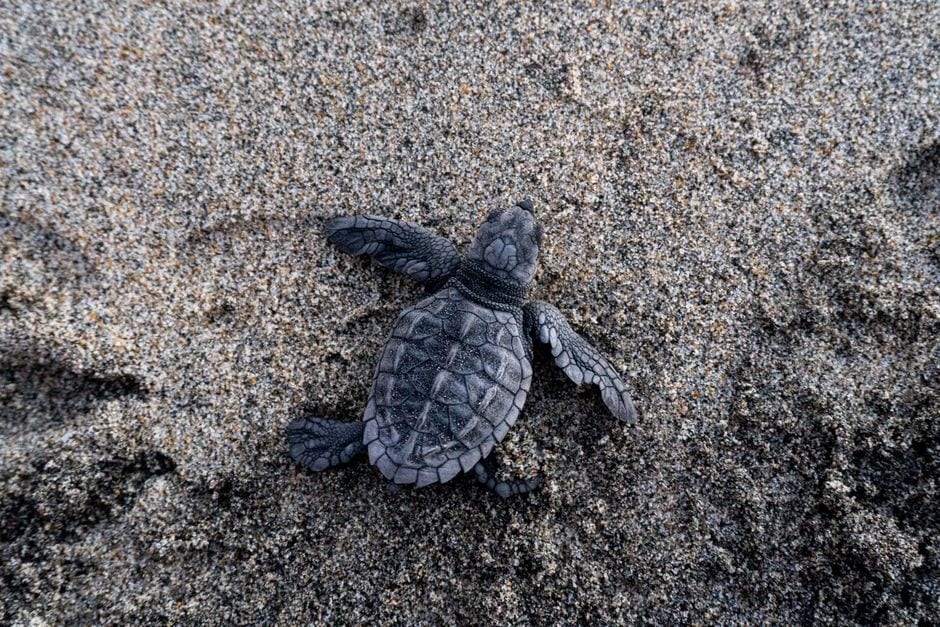
Sea turtle nesting season is winding down on Florida’s Gulf Coast, but it is not over yet.
Florida wildlife officials generally consider May 1 through Oct. 31 the sea turtle nesting season, and late nests can still be incubating while hatchlings emerge after dark.
That means October beach habits still matter.
Keep the beach dark. Artificial lights from homes, businesses, flashlights and phones can disorient hatchlings that normally use the brighter horizon over the Gulf to find the water.
Keep the beach clear. Chairs, tents, toys, umbrellas and other gear should be removed at night because they can block nesting females and trap or divert hatchlings.
Fill in deep holes and knock down large sand structures before leaving the beach.
Do not touch, pick up or guide a hatchling toward the water unless authorized wildlife responders instruct you to do so.
Five federally protected sea turtle species occur in Florida waters and on Florida beaches, including loggerhead, green, leatherback, Kemp’s ridley and hawksbill turtles.
Loggerheads account for much of Florida’s nesting activity, but species and nesting timing vary by location.
If you encounter an injured, stranded or entangled sea turtle, contact the appropriate wildlife response line rather than trying to move the animal yourself.
The October takeaway: even when marked nests become less common, late-season hatchlings may still be making their way to the Gulf, so dark, flat and obstacle-free beaches remain important through the end of the month. |
Heading to the beach after dark?
October still counts.
Use the official Florida sea turtle guidance before an evening beach visit.
0 Comments
Join the conversation
Be the first to comment
Share your thoughts above.