
Manatees Will Soon Be on the Move: What Florida Boaters Should Watch for This Fall |
As water temperatures fall toward 68 degrees, manatees begin shifting toward springs, power-plant warm-water areas and other winter refuges. |
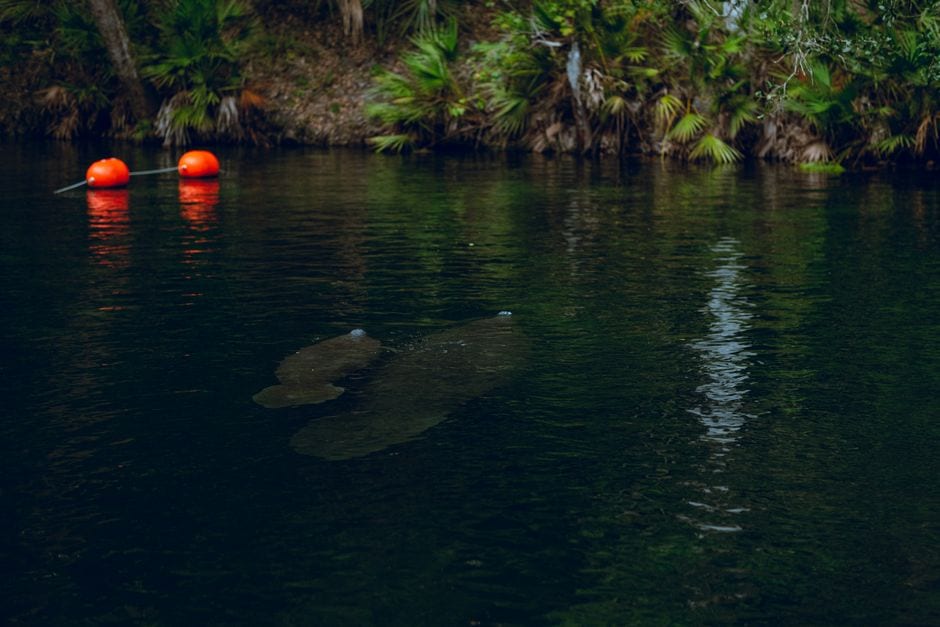
Florida’s manatees are approaching one of the most important seasonal movements of the year.
As fall water temperatures drop, manatees begin leaving widely dispersed summer areas and moving toward springs, power-plant discharge basins and other reliable warm-water refuges.
FWC says the key temperature is about 68 degrees Fahrenheit. Below that, manatees can lose body heat and develop cold stress.
That means boaters should start expecting changing manatee patterns before the coldest weather arrives.
Manatees can be difficult to see even when they are close to the surface. A snout, circular swirl, mud plume or broad shadow may be the only visible clue.
Slow down in areas where manatees may be present, wear polarized sunglasses when practical and obey posted manatee protection and boating-restriction zones.
Do not chase, surround, feed or give fresh water to wild manatees. Close approaches can interrupt resting, feeding and migration behavior.
Cold-weather protection zones can become more important as winter approaches, and boaters should rely on current posted signs and FWC maps rather than assuming last season’s pattern is unchanged.
November is Manatee Awareness Month, but the seasonal change begins before the calendar turns.
The fall takeaway: as Southwest Florida’s water cools, manatees begin concentrating around dependable warm-water areas, so boaters need to slow down, look below and expect animals in places that may have seemed quiet during summer. |
Boating this fall? Check the current manatee zones
Go slow and look below.
Check the current protection-zone map before heading out.
0 Comments
Join the conversation
Be the first to comment
Share your thoughts above.