
Coyote Safety in Southwest Florida: What to Do When One Appears |
Understand coyote behavior and why Florida coyotes are showing up near homes |
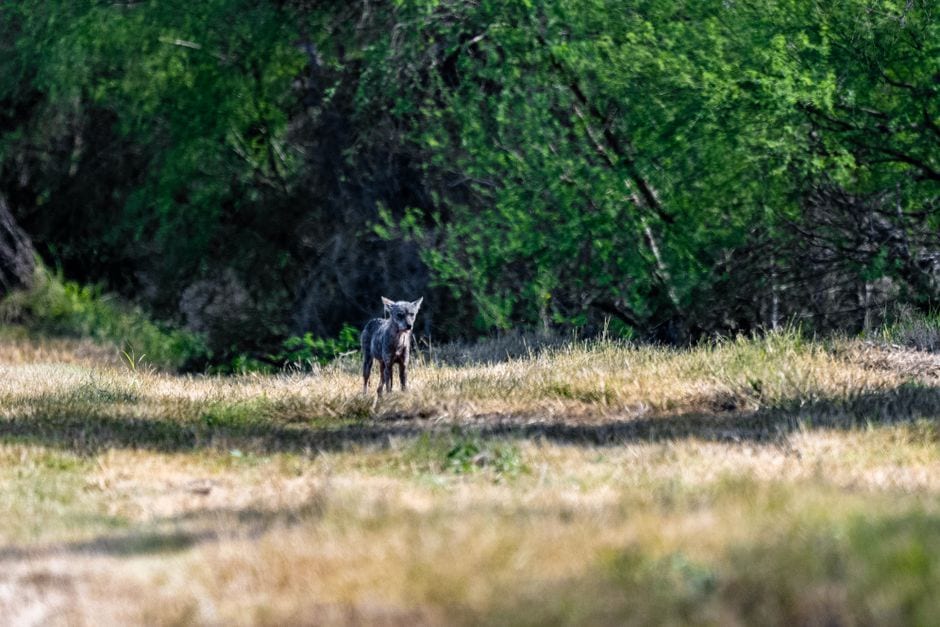
Florida wildlife biologists will host a free live coyote webinar Tuesday, Oct. 6, from 7 to 8 p.m., giving Southwest Florida residents a chance to learn why coyotes are showing up in neighborhoods, how to protect pets and what to do when one gets too comfortable around people.
The Florida Fish and Wildlife Conservation Commission says the online presentation is open to everyone, has unlimited space and requires no registration. Residents can use the FWC webinar link to join the Microsoft Teams presentation at 7 p.m. Tuesday.
The timing is useful for Southwest Florida because coyotes are not occasional visitors passing through the state. FWC says they have been documented in all 67 Florida counties and now live in urban, suburban and rural landscapes.
Most sightings do not mean an animal is sick, aggressive or needs to be removed. Coyotes are typically shy and elusive, and an animal crossing a road, preserve, golf course or backyard may simply be moving through its normal range.
The first rule is simple: do not feed them.
FWC advises residents to secure garbage, remove pet food and fallen fruit, clean up seed around bird feeders and close off spaces under porches and sheds that could provide shelter. Coyotes that repeatedly find food around homes can gradually lose their natural wariness of people.
Pet owners should be particularly careful around dusk, dawn and at night. FWC recommends keeping cats indoors, supervising pets outside and walking small dogs on a short leash of less than six feet.
If a coyote approaches too closely or has become unusually comfortable around people, FWC recommends hazing — making yourself large and loud and continuing the deterrence until the animal leaves. Residents should not run from a coyote or try to injure it.
FWC has produced a short video, “How to Haze Coyotes,” demonstrating how residents can discourage coyotes that have lost their normal fear of people.
When should a coyote be reported?
FWC says unusual behavior can include approaching people, chasing joggers or bicyclists, or attacking leashed pets. Those situations can be reported to the nearest FWC regional office. An immediate threat to human safety should be treated as an emergency.
The agency also maintains an interactive coyote map showing reports from its Wildlife Incident Management System, along with a coyote behavior guide, pet-safety materials and information for neighborhoods dealing with recurring sightings.
Coyotes also have an ecological role. They consume rodents and other small animals and help influence populations of smaller predators. FWC says attempts to eradicate coyotes from an area are ineffective because other coyotes can move into the space.
Tuesday’s webinar will cover coyote biology and behavior, their role in Florida ecosystems, coexistence and ways to prevent or resolve conflicts.
People joining from a laptop or desktop do not need to download the Microsoft Teams app. FWC notes that people joining from a phone or tablet may need the free Teams app.
For residents who have been wondering whether the animal on the edge of the preserve, golf course or neighborhood street is a reason to panic, the better question is what the animal is doing — and whether people nearby are giving it reasons to stay. |

TAP HERE TO JOIN THE LIVE FWC COYOTE WEBINAR
TAP HERE TO JOIN THE LIVE FWC COYOTE WEBINAR
Tuesday, Oct. 6 • 7–8 p.m. • Free • No registration required
TAP HERE: FWC — LIVING WITH COYOTES
TAP HERE: FWC — LIVING WITH COYOTES
Official Florida coyote behavior, pet safety and coexistence information
TAP HERE TO OPEN THE FWC COYOTE MAP
TAP HERE TO OPEN THE FWC COYOTE MAP
See reported coyote incidents and sightings in Florida
TAP HERE TO FIND YOUR FWC REGIONAL OFFICE
TAP HERE TO FIND YOUR FWC REGIONAL OFFICE
Use this when you need to report unusual coyote behavior or ask for wildlife guidance
0 Comments
Join the conversation
Be the first to comment
Share your thoughts above.